
If you were a university professor and three students handed in final term papers that were not just about the exact same topic, but shared entire paragraphs word-for-word, you would immediately know one thing: somebody copied somebody.
When biblical historians read the New Testament in its original Greek, they face this exact scenario with the first three Gospels: Matthew, Mark, and Luke. These three books are so structurally and linguistically similar that they can be placed side-by-side in parallel columns and “seen together”—which is why they are called the Synoptic Gospels (from the Greek syn, meaning “together,” and optic, meaning “seen”).
The Synoptic Problem is the centuries-old scholarly quest to solve this massive literary puzzle. Who was the original author, who were the copiers, and what other lost documents might have been sitting on their desks when they wrote?
The Contours of the Problem
To understand how complex the puzzle is, we have to look at the raw data of the texts.
- The Triple Tradition: Almost the entirety of the Gospel of Mark is found crammed inside Matthew and Luke. When all three share a story, they frequently use the exact same Greek vocabulary.
- The Double Tradition: Matthew and Luke share about 235 verses that are not found anywhere in Mark. These are mostly teachings and sayings of Jesus, such as the Lord’s Prayer and the Beatitudes.
- The Unique Material: Matthew has stories completely unique to him (like the visit of the Magi), and Luke has stories completely unique to him (like the Parable of the Good Samaritan).
How do we explain this web of copying? Over the last two centuries, historical-critical scholars have proposed several solutions. Here is a short overview of the most prominent theories.
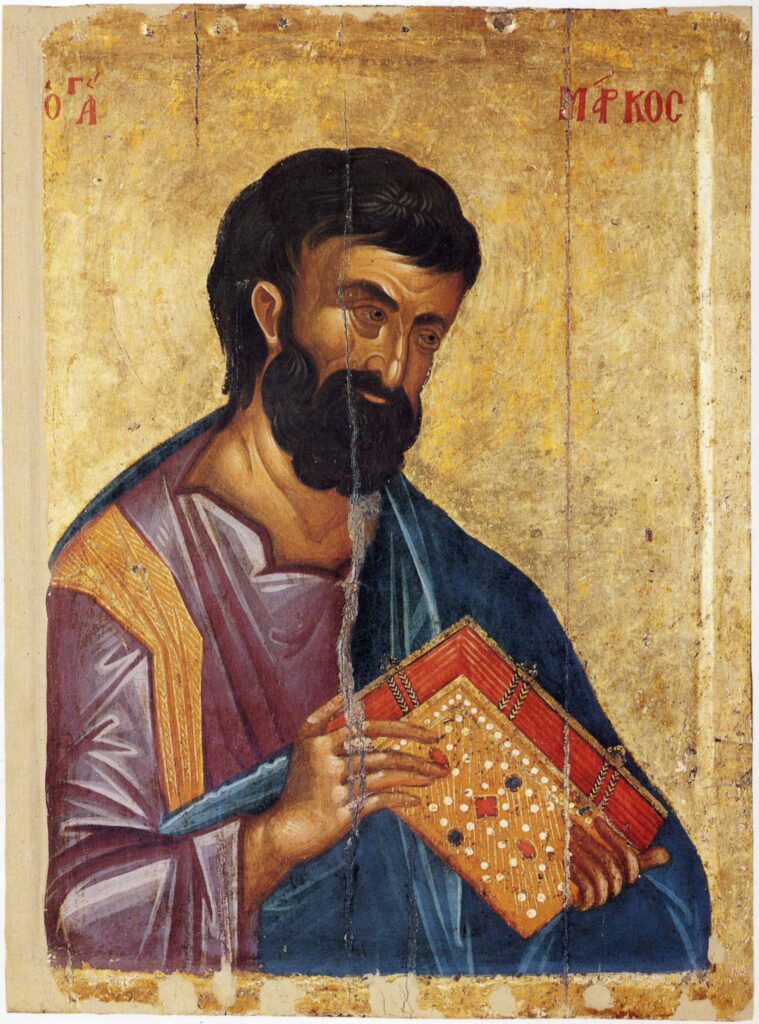
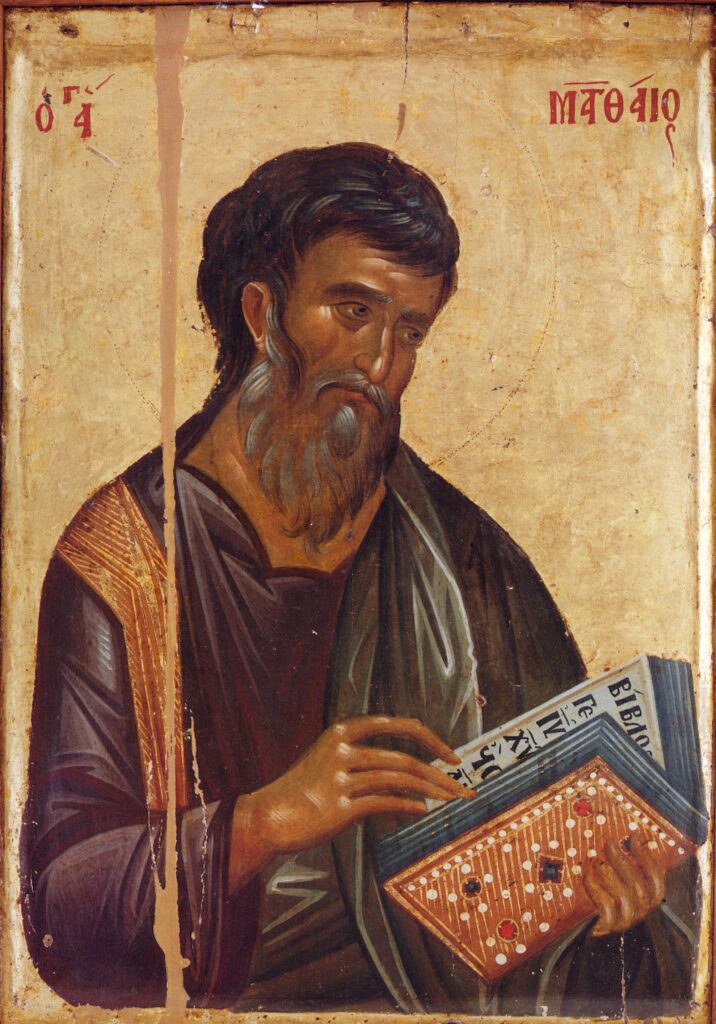
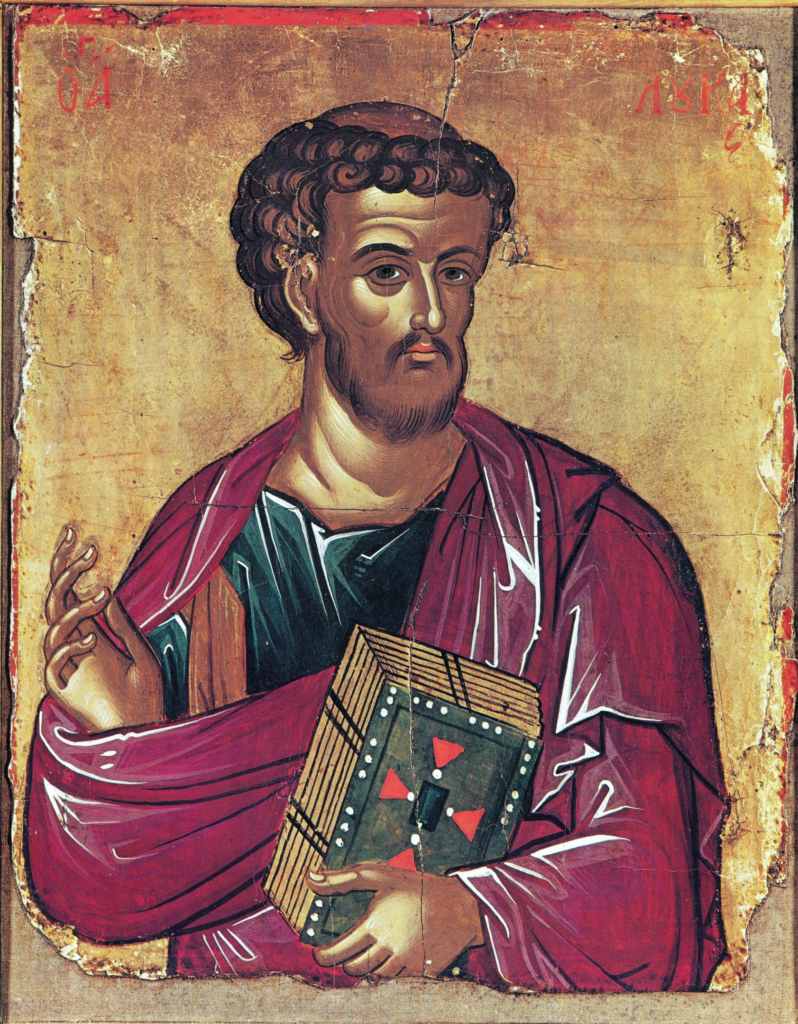
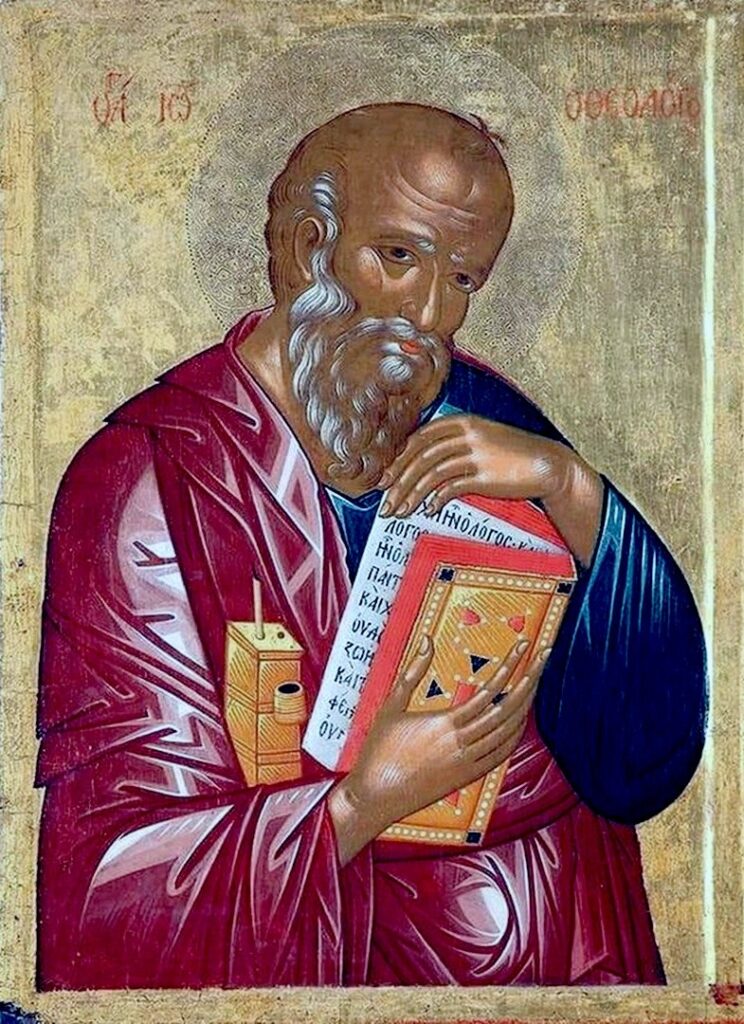
1. The Two-Source Hypothesis (The Academic Consensus)
This is the reigning champion of biblical scholarship and the model taught in the vast majority of universities today. It posits two foundational building blocks:
- Markan Priority: The Gospel of Mark was written first (around 70 CE). It was the shortest and roughest of the narratives.
- The “Q” Source: A few decades later, the authors of Matthew and Luke independently decided to write expanded, polished versions of the Jesus story. They both had a copy of Mark on their desks, which they used as their narrative backbone. However, they also had a second, highly prized document on their desks: a now-lost collection of Jesus’ sayings. Early German scholars called this mysterious second document Quelle (meaning “source”), or simply “Q”.
Under this theory, Matthew and Luke never saw each other’s work. They simply copied from the same two sources (Mark and Q), while occasionally adding their own unique, local traditions.
2. The Farrer Hypothesis (The “Q” Skeptics)
While the Two-Source Hypothesis is dominant, a growing number of scholars strongly dislike it because it relies on a “ghost text.” We have absolutely no physical archaeological evidence that “Q” ever existed; no one has ever found a scrap of it.
The Farrer Hypothesis (named after scholar Austin Farrer) solves the puzzle without inventing a missing document:
- Markan Priority: Like the previous theory, Mark is written first.
- Matthew Copies Mark: Matthew comes along, takes Mark, and heavily expands it with his own theology and gathered sayings of Jesus.
- Luke Copies Both: Finally, Luke sits down to write his Gospel. He has a copy of Mark and a copy of Matthew on his desk. He uses both to construct his own narrative.
In this model, the material that Matthew and Luke share (which the other theory calls “Q”) is simply the result of Luke directly copying from Matthew’s homework.
3. The Griesbach Hypothesis (The Traditional Reversal)
For the first 1,800 years of church history, the Gospel of Matthew was universally considered the oldest and most important Gospel, which is why it is placed first in the New Testament. The Griesbach Hypothesis attempts to maintain this ancient tradition while explaining the textual data.
- Matthean Priority: Matthew was written first.
- Luke Copies Matthew: Luke was written second, utilizing Matthew as a primary source.
- Mark the Summarizer: Mark was written last. According to this theory, Mark had both Matthew and Luke on his desk and decided to write a fast-paced, condensed “Reader’s Digest” version of their massive Gospels, stripping out the long sermons and focusing purely on the action.
While historically significant, this theory has fallen out of favor with modern scholars. It is incredibly difficult to explain why Mark, if he was summarizing the other two, would completely cut out the Lord’s Prayer, the Sermon on the Mount, and the birth narratives.
Why the Problem Matters
The Synoptic Problem is not just a dry academic exercise. It completely changes how we read the Bible.
When we realize that the Gospel writers were actively copying, editing, and rearranging earlier texts, we recognize that they were not merely human tape recorders taking dictation from heaven. They were brilliant, deliberate theologians. By tracking exactly how Matthew changed Mark’s wording, or where Luke inserted a new parable, we can uncover the specific theological messages they were desperately trying to communicate to their first-century communities.
-
Beyond Abstinence: Defining the Architecture of Purity Culture
For many raised in late-20th-century evangelicalism, “abstinence” and “purity culture” are frequently treated as exact synonyms. However, while abstinence is a private historical ethical choice, purity culture is a modern, highly visible sociological construct. This article examines the architecture of the 1990s movement—from purity pledges to the courtship model—and explains why disentangling the ancient ethic from the modern subculture is the crucial first step in understanding its lasting psychological impact.
-
How Can Modern Churches Build Strong Communities Without Sacrificing Intellectual Honesty?
Can a church remain strong when its members question traditional interpretations of the Bible?Discover how shared values, meaningful relationships, and intellectual honesty can help modern Christian communities thrive without demanding agreement on every question.
-
A Voice from the Dust: How the Discovery of Ugarit Rewrote Biblical Scholarship
The accidental discovery of the ancient city of Ugarit in 1928 transformed biblical scholarship. Its texts provided crucial insights into Biblical Hebrew, uncovered the mythology of ancient Canaan, and revealed how Israelite religion developed within the wider cultural world of the ancient Near East.
-
Did Paul Believe Christians Go to Heaven? Paul’s Cosmos, Christology, and Hope of Resurrection
What did Paul think heaven was, who did he believe Jesus was, and what did he expect to happen after death? Explore Paul’s first-century Jewish apocalyptic worldview, his complex understanding of Jesus, and his expectation of bodily resurrection and the liberation of creation.
-
The Whistleblower in the Dirt: Unearthing the Socio-Economic Reality of the Talents
What’s the Parable of the Talents really about? Squadering your abilities or is there more? Let’s dig a little deeper.