
Christianity is commonly divided into three major traditions: Roman Catholicism, Eastern Orthodoxy, and Protestantism. Together, these traditions represent the overwhelming majority of Christians worldwide, although each contains substantial internal diversity, and Christianity also includes other historic communions that do not fit neatly into this three-part division. Understanding the differences between these traditions requires examining their historical development, structures of authority, approaches to salvation, forms of worship, and patterns of church leadership.
Historical Divergences and Schisms
The divisions within global Christianity stem from complex geopolitical, cultural, and theological shifts. For much of the first millennium, the churches of the Greek-speaking East and Latin-speaking West remained in communion, despite significant cultural, political, and theological differences. Christianity as a whole, however, was never completely unified: major divisions had already emerged following earlier theological controversies and church councils, such as the separation of the Oriental Orthodox churches in the fifth century.
The schism traditionally associated with the year 1054 marked the formal breakdown of communion between Rome and Constantinople and became the symbolic beginning of the enduring division between the Roman Catholic and Eastern Orthodox traditions. This separation developed over centuries, driven by language barriers and disputes over papal authority. A critical theological catalyst was the filioque controversy, concerning the Western addition of the phrase “and the Son” to the Nicene Creed. The Eastern church rejected this both on procedural grounds—arguing the West had no right to alter a creed established by ecumenical councils—and on theological grounds, objecting to the implications for the Father’s unique role as the single source within the Trinity. The subsequent sack of Constantinople during the Fourth Crusade in 1204 proved enormously important in making reconciliation significantly more difficult.
In the 16th century, the Western church underwent a further fracture during the Protestant Reformation. Figures such as Martin Luther and John Calvin critically challenged late-medieval Catholic practices. What began as a movement to reform the Catholic Church resulted in the establishment of distinct Protestant traditions that broadly rejected central Catholic teachings.
Authority and Church Governance
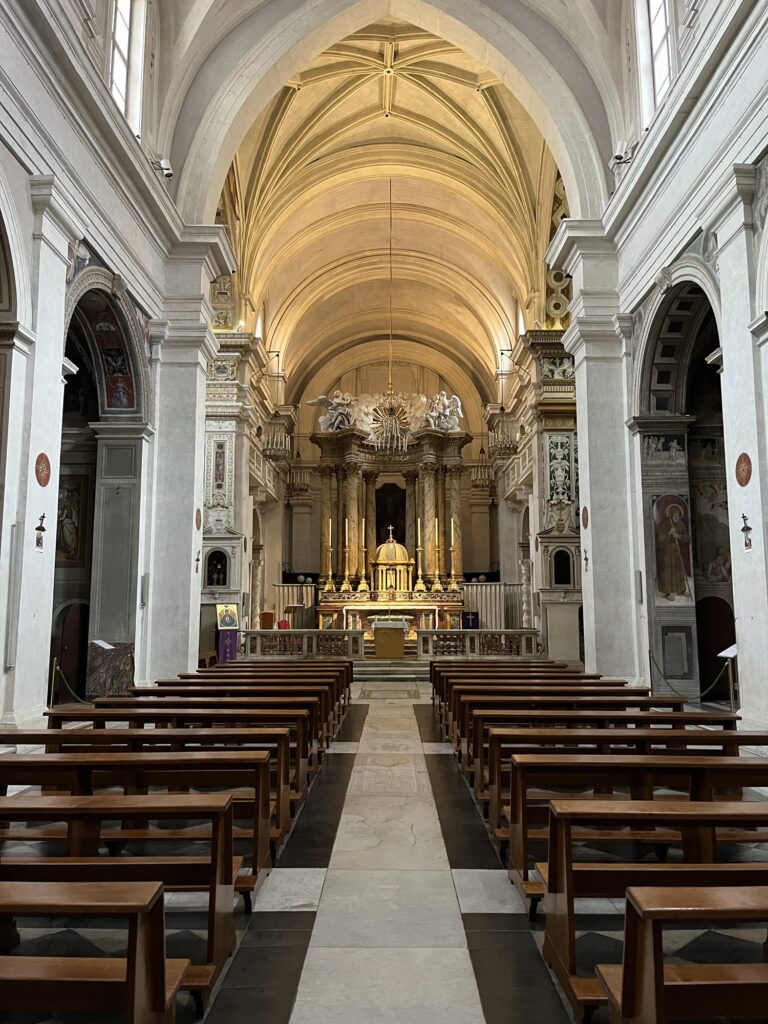
A foundational difference between the branches lies in their conception of religious authority. The Roman Catholic Church emphasizes a centralized, hierarchical structure governed by the Pope, the bishop of Rome, viewed as the successor of the Apostle Peter. In Roman Catholic theology, Scripture and Tradition are closely connected expressions of the one deposit of faith, while the Magisterium—the teaching authority exercised by the Pope and the bishops—has the responsibility of authentically interpreting that faith.
The Orthodox Church understands religious authority primarily within the framework of Holy Tradition: the continuing faith and life of the church as expressed in Scripture, worship, the writings of the Church Fathers, and the decisions of the Ecumenical Councils. Orthodox Christians generally regard the Bible as the central written witness within this wider tradition rather than as an authority detached from the church that preserved and interpreted it. Governance operates as a communion of autocephalous, or self-governing, regional churches. The Patriarch of Constantinople is recognized as the “first among equals,” but does not hold universal jurisdiction.
Many Protestant traditions emphasize the principle of sola scriptura, meaning that Scripture is regarded as the supreme or final authority for Christian doctrine. This does not necessarily mean that Protestants reject all church tradition or deny the value of historical interpretation, but rather that traditions and church authorities are ultimately subject to Scripture. Protestant systems of church governance vary widely, ranging from episcopal structures to presbyterian systems and independent congregations. Protestant traditions also commonly emphasize the “priesthood of all believers,” meaning that Christians have direct access to God and are not dependent on a separate priesthood to mediate salvation. The interpretation of Scripture, however, is understood differently across Protestant denominations and is often carried out within the context of churches, confessions, and theological traditions.
Theology of Salvation and Grace
Roman Catholicism teaches that salvation is a cooperative process fundamentally enabled by divine grace. By cooperating with this grace through faith, participation in the sacraments, and works of love, believers actively participate in their justification. Catholicism also includes the doctrine of Purgatory, a temporary state of final purification after death where souls are cleansed before entering Heaven.
Eastern Orthodoxy approaches salvation through the concept of theosis, often translated as deification or participation in the divine life. Salvation is therefore commonly understood less in terms of a purely legal declaration and more as a process of healing, transformation, and growing union with God. Orthodox Christianity also tends to understand the consequences of Adam’s sin differently from the dominant Western Augustinian tradition. Rather than emphasizing the inheritance of Adam’s personal guilt, Orthodox theology generally emphasizes humanity’s inheritance of mortality, corruption, and a condition of alienation from God that requires healing and restoration. Distinct from the Western tradition, Orthodoxy does not teach the concept of Purgatory, holding its own theological understandings of the intermediate state and prayer for the dead.
Many Protestant traditions, especially those shaped by Lutheran and Reformed theology, strongly emphasized and systematized the concepts of sola fide (faith alone) and sola gratia (grace alone). These traditions typically maintain that humanity is justified—counted or reckoned as righteous before God—strictly based on the life and sacrifice of Jesus Christ. This justification is received as a free gift through faith, apart from human merit. While doing good works is expected as the natural fruit of genuine faith, those works are viewed as part of ongoing sanctification rather than contributing to one’s fundamental justification.
Sacramental Theology and Liturgy
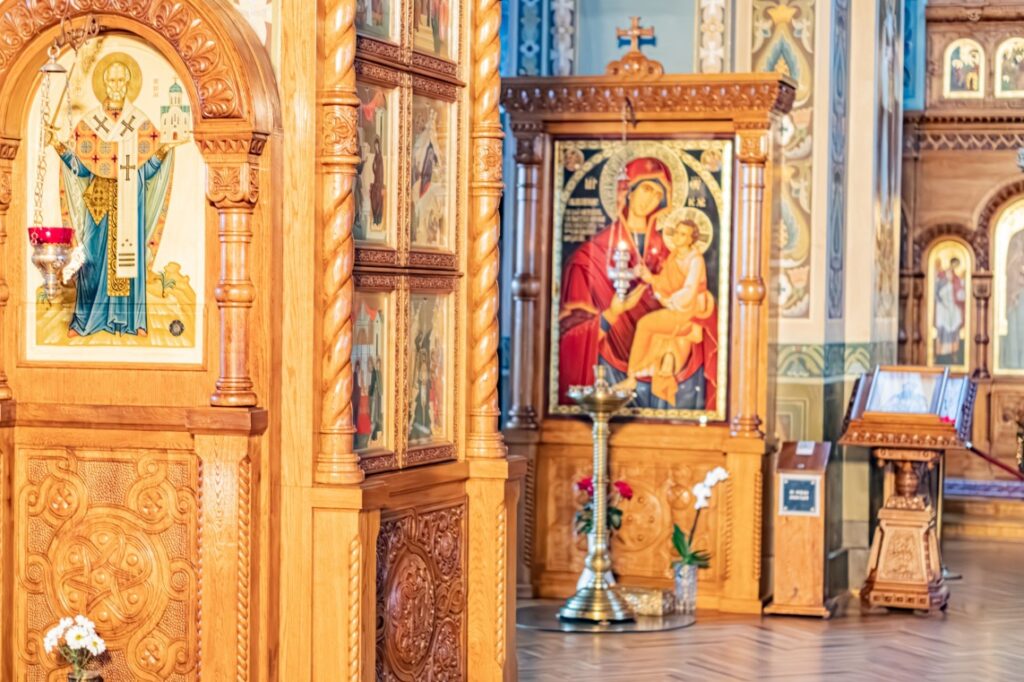
Both Catholic and Orthodox traditions recognize Baptism, the Eucharist, and other sacred rites that convey divine grace. Catholic theology formally identifies seven sacraments, while Orthodox theology commonly speaks of seven principal Holy Mysteries, although it does not always define their number in exactly the same way. Both traditions firmly believe that the bread and wine used in the Eucharist truly become, or are truly, the body and blood of Christ. Catholicism historically defined this change using Aristotelian philosophical terminology as transubstantiation. Orthodoxy occasionally uses similar terminology but generally refrains from strictly defining the precise philosophical mechanism, leaving the transformation as a divine mystery. Orthodox worship specifically places a significant emphasis on the veneration of religious icons.
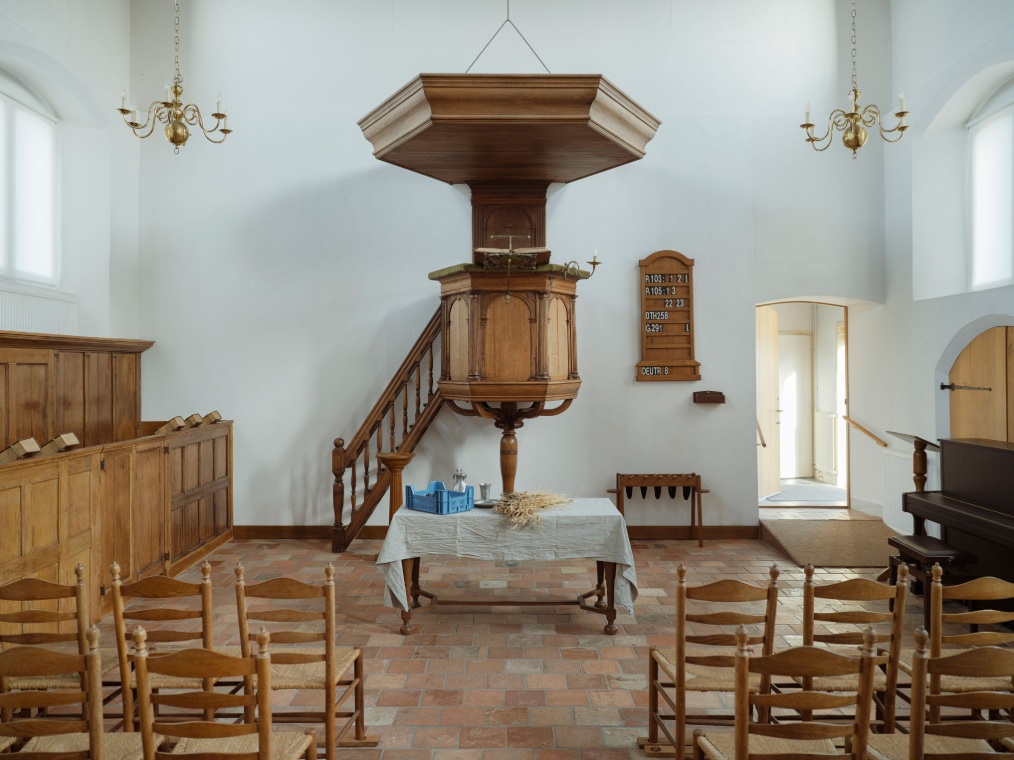
Protestant sacramental theology generally recognizes only two core rites instituted explicitly by Christ: Baptism and the Lord’s Supper, termed sacraments or ordinances depending on the specific denomination. Beliefs regarding the Lord’s Supper range from a spiritual presence to purely symbolic memorials. In many Protestant traditions, worship places particular emphasis on the reading and preaching of Scripture, and the pulpit often became a more prominent focal point than it had been in medieval Catholic worship. Other Protestant traditions, however—particularly Lutheran and Anglican churches—retain highly liturgical and sacramental forms of worship.
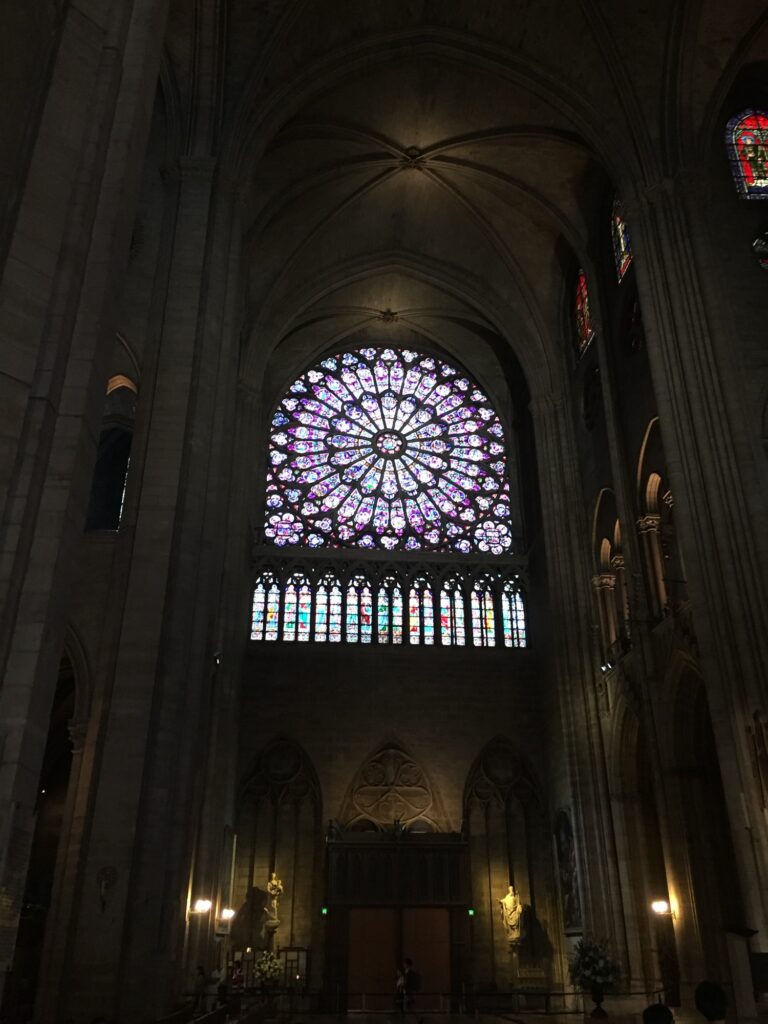
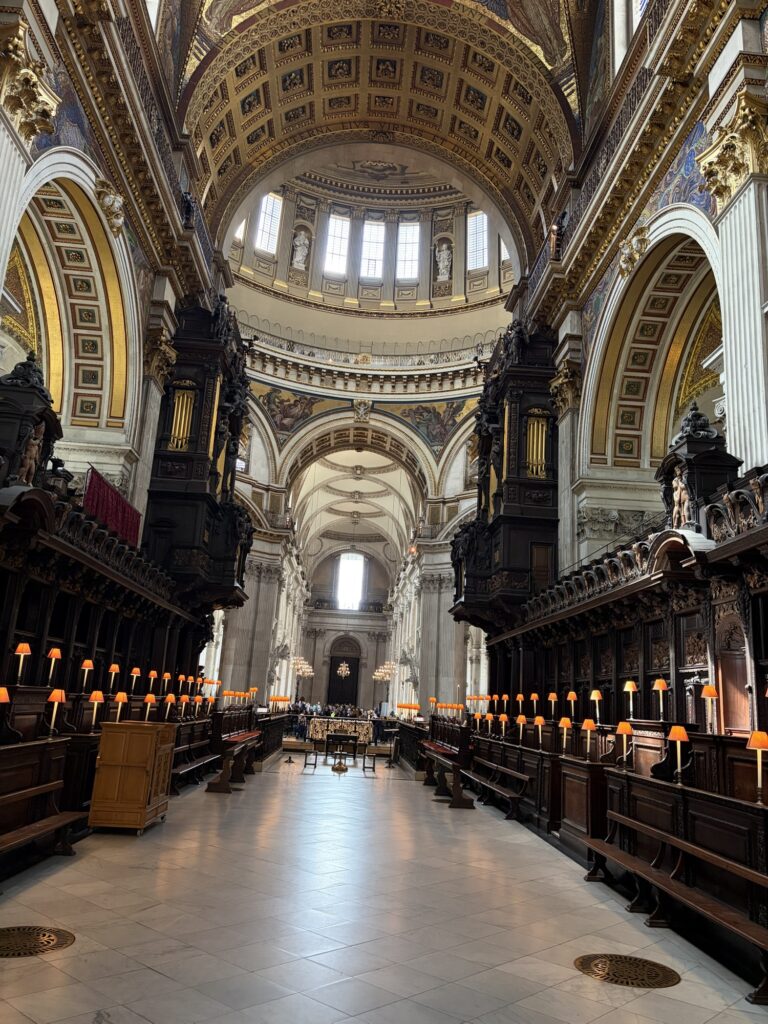
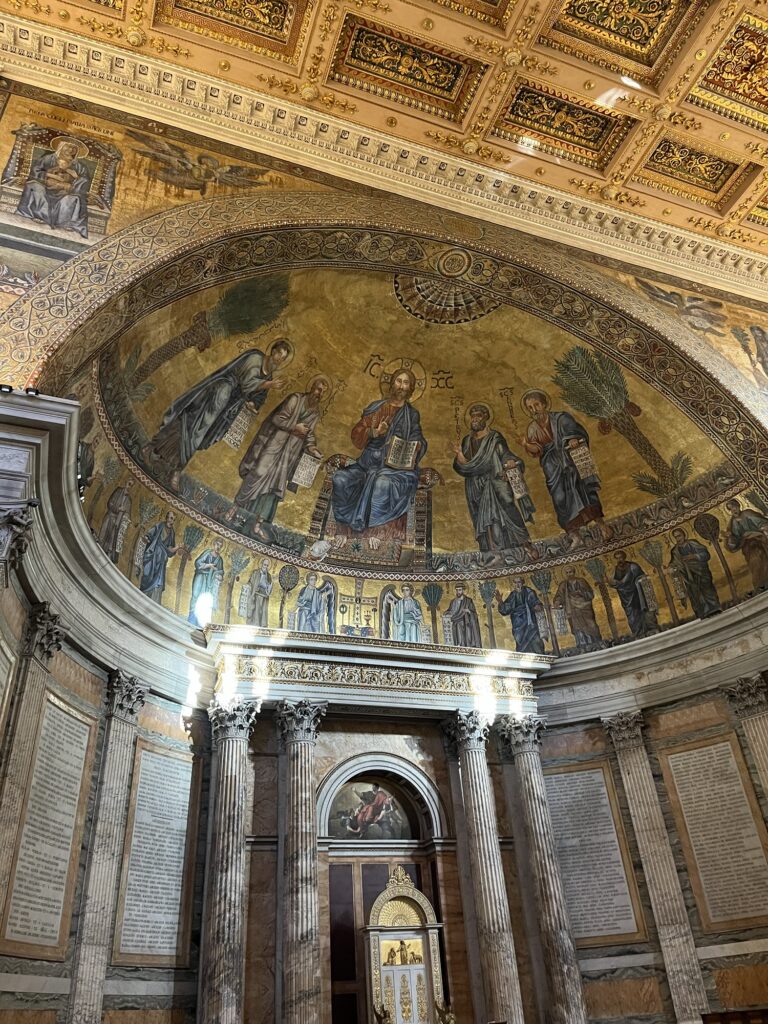
Clerical Structures
In the Latin Church, Catholic priests are normally required to remain celibate, although married priests exist in some Eastern Catholic churches and in certain exceptional circumstances. The Eastern Orthodox Church permits married men to become priests, provided they are married before ordination; Orthodox bishops are generally selected from celibate clergy, often monks. Protestant traditions generally permit ordained ministers to marry, and many contemporary denominations fully affirm the ordination of women to pastoral leadership.
Broad strokes
Ultimately, this overview serves only as a broad outline of the complex theological and historical landscapes that define global Christianity. It is virtually impossible to capture every doctrinal nuance, liturgical variation, or historical divergence in a single summary. This is particularly evident when considering the vast internal diversity within these traditions: Protestantism encompasses thousands of distinct denominations, ranging from historically established state churches to independent congregations, while the Orthodox tradition consists of numerous self-governing Eastern branches alongside the distinct Oriental Orthodox communion. Even within the broadly centralized structure of Roman Catholicism, a rich variety of theological movements and distinct liturgical rites flourishes. Readers should therefore approach these distinctions as a foundational framework rather than an exhaustive catalog of Christian belief and practice.
-
Beyond Abstinence: Defining the Architecture of Purity Culture
For many raised in late-20th-century evangelicalism, “abstinence” and “purity culture” are frequently treated as exact synonyms. However, while abstinence is a private historical ethical choice, purity culture is a modern, highly visible sociological construct. This article examines the architecture of the 1990s movement—from purity pledges to the courtship model—and explains why disentangling the ancient ethic from the modern subculture is the crucial first step in understanding its lasting psychological impact.
-
How Can Modern Churches Build Strong Communities Without Sacrificing Intellectual Honesty?
Can a church remain strong when its members question traditional interpretations of the Bible?Discover how shared values, meaningful relationships, and intellectual honesty can help modern Christian communities thrive without demanding agreement on every question.
-
A Voice from the Dust: How the Discovery of Ugarit Rewrote Biblical Scholarship
The accidental discovery of the ancient city of Ugarit in 1928 transformed biblical scholarship. Its texts provided crucial insights into Biblical Hebrew, uncovered the mythology of ancient Canaan, and revealed how Israelite religion developed within the wider cultural world of the ancient Near East.
-
Did Paul Believe Christians Go to Heaven? Paul’s Cosmos, Christology, and Hope of Resurrection
What did Paul think heaven was, who did he believe Jesus was, and what did he expect to happen after death? Explore Paul’s first-century Jewish apocalyptic worldview, his complex understanding of Jesus, and his expectation of bodily resurrection and the liberation of creation.
-
The Whistleblower in the Dirt: Unearthing the Socio-Economic Reality of the Talents
What’s the Parable of the Talents really about? Squadering your abilities or is there more? Let’s dig a little deeper.