
As we have explored, the Torah is not a single book written by one hand, but a complex quilt woven from entirely different, often competing ancient sources. But recognizing how the Torah was compiled inevitably leads to a much bigger historical question: Why was it compiled?
For centuries, the rival priesthoods and scribes of ancient Israel and Judah were perfectly content to keep their separate scrolls on separate shelves. So, what finally forced these deeply divided factions to sit down, abandon their theological disagreements, and painstakingly forge their texts into a single, unified document?
According to an influential, albeit actively debated theory by historian Peter Frei, the answer is not divine intervention. It is imperial bureaucracy.
The Hypothesis of Persian Imperial Authorization
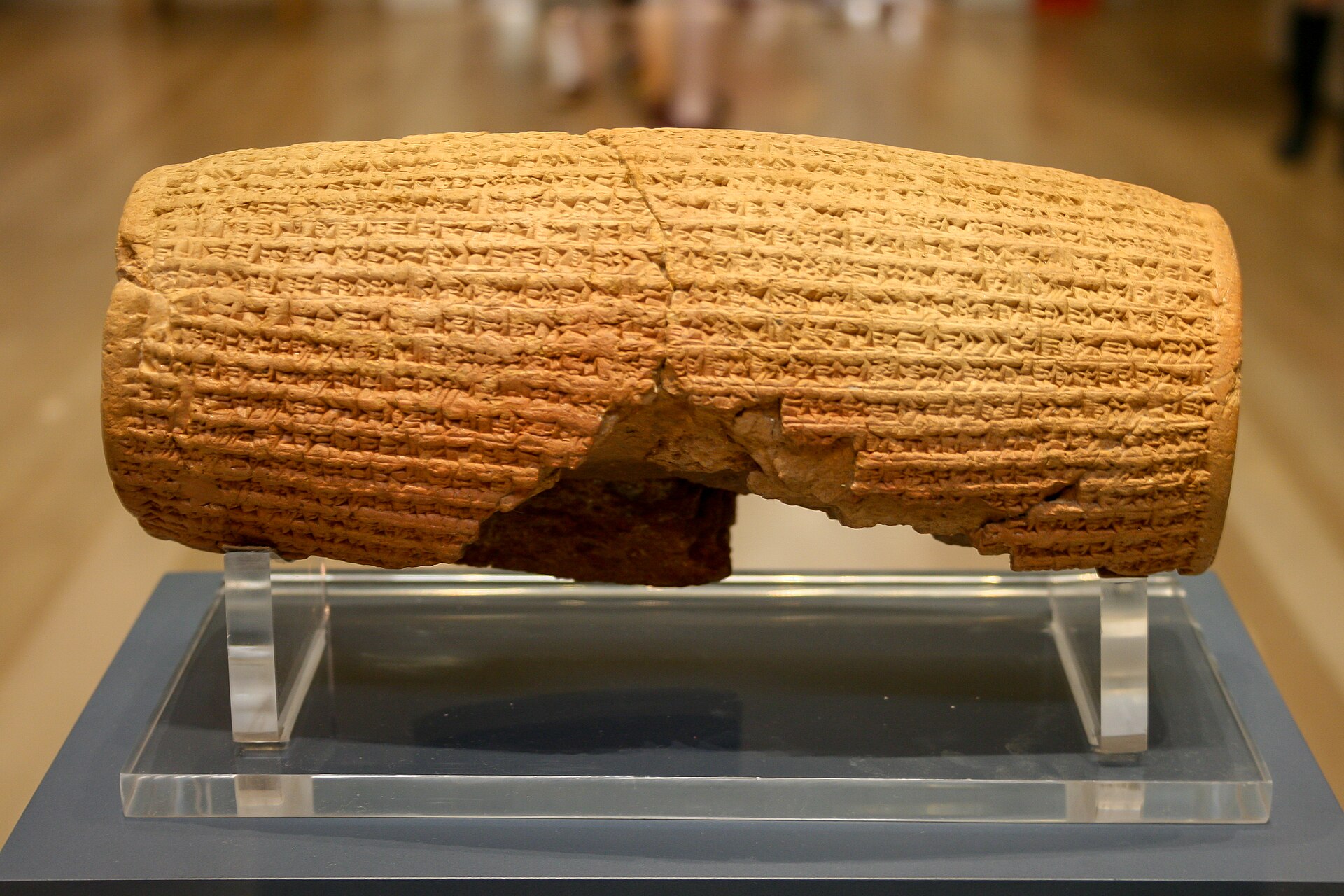
To understand Frei’s theory, we have to look at the geopolitical landscape of the 5th century BCE. The Babylonian Empire—which had destroyed Jerusalem and exiled the Judean elite—was eventually conquered by an even larger superpower: the Persian Achaemenid Empire.
The Persian kings had a radically different approach to ruling their vast territories. Rather than crushing local cultures and deporting populations, the Persian hegemonic doctrine often permitted a surprising amount of religious and cultural autonomy in their provinces. They allowed the exiled Judeans to return to Jerusalem and rebuild their temple.
But this autonomy came with a catch. The Persian administration in the capital city of Susa demanded order. To support the jurisprudence of local Persian governors, the empire required its provinces to submit a standardized, undivided constitution. Essentially, the Persian authorities told the returning Judean elite: “We will let you govern yourselves and fund your temple, but you must provide us with a single, official law book so we know exactly what rules you are playing by.”
The Ultimate Compromise
If Frei’s “Persian Imperial Authorization” hypothesis is correct, it provides a incredibly plausible, intensely political motive for the creation of the Torah.
Imagine the panic of the Judean elite. They are trying to re-establish their nation, maintain diplomatic stability with a massive empire, and secure vital financial guarantees. But they do not have a single law book; they have a messy library of conflicting traditions. They have the southern Yahwist stories, the northern Elohist traditions, the strict laws of Deuteronomy, and the intricate rituals of the Priestly scribes.
Under the crushing weight of imperialistic pressure, the scribes may have had no other choice. To survive, they had to compromise. They took their competing sacred texts and braided them together, smoothing over the edges just enough to present a unified front to the Persian governors. Under this extreme geopolitical deadline, the Torah acquired the character of a constitutional agreement.
The Holes in the Hypothesis
It is a brilliant, elegant theory that perfectly explains why such contradictory texts were forced into one book. However, it is crucial to note that Frei’s hypothesis is not an established scientific consensus. In fact, many modern biblical scholars consider it an “extreme” theory and actively push back against it.
The primary hole in the hypothesis is a lack of comparative evidence. While we know the Persian Empire was highly organized, there is very little hard archaeological or textual evidence that they systematically forced every province to codify and submit local laws to Susa. Critics argue that Frei’s theory projects a very modern, European concept of federal bureaucracy onto an ancient Near Eastern empire.
Furthermore, while the Persian authorities certainly meddled in local affairs to keep the peace, there is no direct Persian document ordering the Jewish scribes to compile the Torah. The theory relies heavily on reading between the lines of the biblical books of Ezra and Nehemiah, which depict the Persian king authorizing Ezra to teach the “Law of your God” in Jerusalem.
The Paper Calf and Political Reality
Whether Frei’s hypothesis is entirely correct, partially true, or an overstatement of Persian bureaucracy, it forces us to ask the right questions about the text.
When we treat the Bible as a Paper Calf—a magical book dropped flawlessly from heaven—we ignore the very real, very human struggles of the people who wrote it. The Torah was born in a crucible of trauma, exile, and imperial domination. Even if the Persian king did not explicitly demand its creation, the Judean scribes were undoubtedly acting under the immense pressure of securing their identity in the shadow of a global superpower. By recognizing the geopolitical motives behind the text, we uncover a history of survival, compromise, and sheer editorial genius.
-
Beyond Abstinence: Defining the Architecture of Purity Culture
For many raised in late-20th-century evangelicalism, “abstinence” and “purity culture” are frequently treated as exact synonyms. However, while abstinence is a private historical ethical choice, purity culture is a modern, highly visible sociological construct. This article examines the architecture of the 1990s movement—from purity pledges to the courtship model—and explains why disentangling the ancient ethic from the modern subculture is the crucial first step in understanding its lasting psychological impact.
-
How Can Modern Churches Build Strong Communities Without Sacrificing Intellectual Honesty?
Can a church remain strong when its members question traditional interpretations of the Bible?Discover how shared values, meaningful relationships, and intellectual honesty can help modern Christian communities thrive without demanding agreement on every question.
-
A Voice from the Dust: How the Discovery of Ugarit Rewrote Biblical Scholarship
The accidental discovery of the ancient city of Ugarit in 1928 transformed biblical scholarship. Its texts provided crucial insights into Biblical Hebrew, uncovered the mythology of ancient Canaan, and revealed how Israelite religion developed within the wider cultural world of the ancient Near East.
-
Did Paul Believe Christians Go to Heaven? Paul’s Cosmos, Christology, and Hope of Resurrection
What did Paul think heaven was, who did he believe Jesus was, and what did he expect to happen after death? Explore Paul’s first-century Jewish apocalyptic worldview, his complex understanding of Jesus, and his expectation of bodily resurrection and the liberation of creation.
-
The Whistleblower in the Dirt: Unearthing the Socio-Economic Reality of the Talents
What’s the Parable of the Talents really about? Squadering your abilities or is there more? Let’s dig a little deeper.