
A persistent popular narrative surrounding biblical history is the idea of a “silent era”—a 400-year gap between the Old and New Testaments where prophetic voices supposedly ceased and theological development ground to a halt. From a historical and literary perspective, however, this period was anything but quiet.
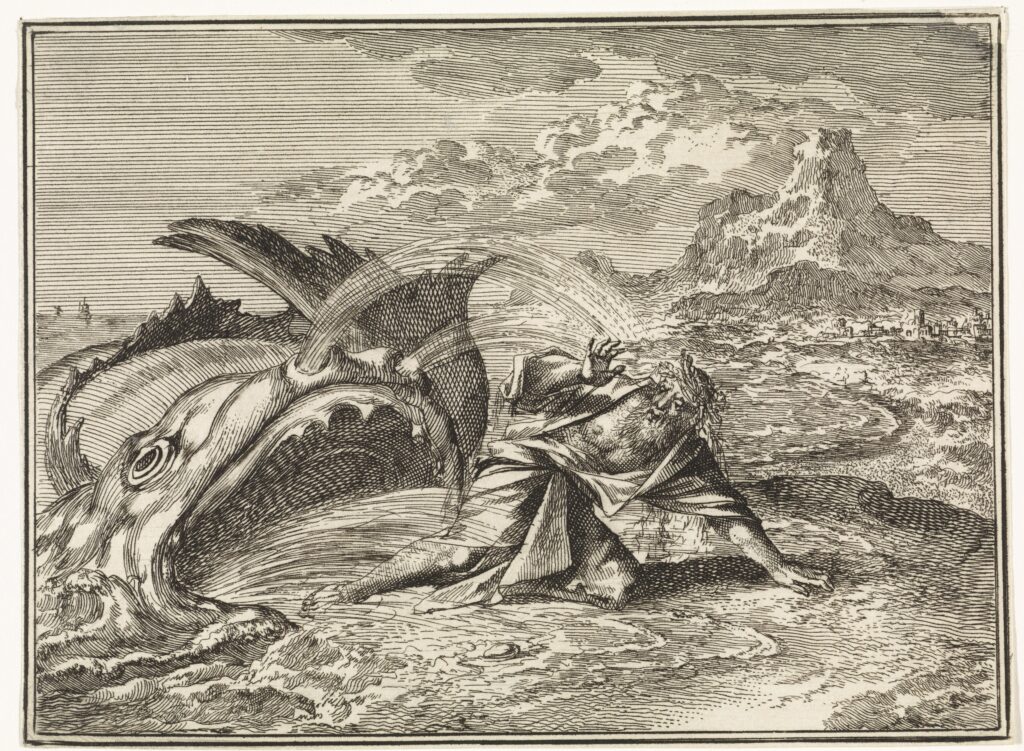
Following the Babylonian exile, the religious landscape of the Second Temple period was highly contested. While the civic and religious establishment, often driven by certain priestly and reformist circles associated with figures like Ezra and Nehemiah, focused on building physical walls and establishing strict ethno-religious boundaries, a vibrant counter-movement emerged. This era saw the production of profound literature—including the Book of Ruth, the Book of Jonah, and much of the wisdom literature—that actively challenged the rigid policies of the temple elite.
But this raises a fascinating historical question: if conservative scribes and priests in Jerusalem held significant influence over the sacred texts, how did these dissenting voices survive institutional pressures and secure a permanent place in the Hebrew Bible?
The answer lies in the fact that canonization was not a single, dictatorial event, but rather a slow, organic process driven by literary strategy, intellectual diversity, and the undeniable power of community practice.
1. The Cloak of Antiquity
The authors of these counter-traditional texts were strategically brilliant. Rather than writing contemporary political pamphlets, they often cast their narratives into the respected mold of ancient history, lending their critiques an air of unassailable authority.
- The Book of Ruth is set during the era of the Judges, long before the strict marital laws of the post-exilic period. Crucially, the narrative concludes with a genealogy establishing Ruth—a Moabite woman—as the great-grandmother of King David. By tying a marginalized foreigner directly to Israel’s greatest royal lineage, the text presented a profound challenge to exclusive nationalist policies. Yet, because of its Davidic connection, the religious establishment could hardly suppress it.
- The Book of Jonah utilizes the name of a minor 8th-century BCE prophet. By anchoring the story to a recognized historical figure, the author gave weight to what many scholars interpret as a satirical narrative. The story highlights the theological blindness of an Israelite prophet while emphasizing the expansive, universal mercy of God toward foreign empires.
2. A Divided Intellectual Elite
It is tempting to view the ancient temple scribes as a monolith, but the intellectual upper class of Jerusalem was likely highly diverse. Different schools of thought competed for influence:
- The Priestly and Legal Schools focused heavily on purity codes, law, separation, and temple cult operations.
- The Wisdom Tradition consisted of highly educated scribes who grappled with universal, existential questions (found in Proverbs, Job, and Ecclesiastes). Their theology tended to be less nationalistic and more observational.
- The Prophetic Curators maintained the texts of earlier prophets like Isaiah, which already contained visions of foreigners being welcomed to the holy mountain.
Alternative theological texts likely originated from intellectual circles that were just as literate and influential as the conservative priests. They possessed the social standing and resources to copy, circulate, and preserve their own theological traditions.
3. A Phased and Open Canonization
The Hebrew Bible was not bound into a single book overnight; its canonization occurred in stages over several centuries.
Many scholars agree that the Torah (the Law) was the first to be definitively closed and elevated to canonical status, likely around the 5th or 4th century BCE. The Prophets (Nevi’im) followed later. However, the final section of the Hebrew Bible—the Writings (Ketuvim), which houses Ruth, Jonah, Job, and Ecclesiastes—remained fluid and open for centuries. Because this section was not yet locked down, there was breathing room for highly popular, resonant texts to be included, even if they nuanced or pushed back against the rigid legalism found elsewhere.
4. Liturgical Power and Theological Domestication
Ultimately, a text survived because the community continued to read it. When narratives strike a deep existential or theological chord, they become impossible for institutions to ignore.
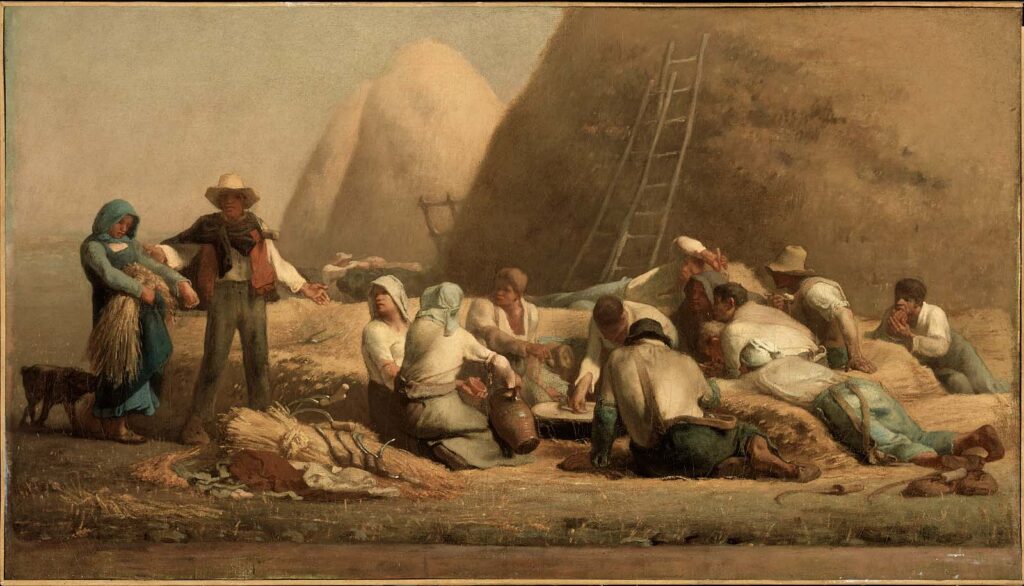
The Book of Ruth became culturally essential through its association with the agricultural festival of Shavuot (the Festival of Weeks). The Book of Jonah’s profound exploration of repentance led to its eventual adoption as the traditional reading for Yom Kippur (the Day of Atonement).
Interestingly, while these narratives originally functioned as sharp, countervailing voices against the socio-political establishment, they underwent a gradual process of theological domestication. As they were integrated into the official liturgy, their immediate political sting was often smoothed over by later generations, transforming them into safer, universal moral lessons. Once a text anchored itself in the community’s rhythm, the establishment had little choice but to embrace it.
The Bible as a Curated Debate
The survival of these texts highlights a unique characteristic of the scribes who compiled the Hebrew Bible: they did not feel the need to erase all theological friction.
Instead of creating a seamless, one-dimensional manifesto, they preserved the debate. They placed the strict retribution theology of Proverbs right next to the innocent suffering found in Job. They allowed the exclusive nationalism of Ezra to sit alongside the radical inclusion of Ruth. Ultimately, the canon is not merely a dictate from a ruling class, but a curated library that captures a community’s centuries-long, deeply human dialogue with its identity, its history, and the divine.
-
Beyond Abstinence: Defining the Architecture of Purity Culture
For many raised in late-20th-century evangelicalism, “abstinence” and “purity culture” are frequently treated as exact synonyms. However, while abstinence is a private historical ethical choice, purity culture is a modern, highly visible sociological construct. This article examines the architecture of the 1990s movement—from purity pledges to the courtship model—and explains why disentangling the ancient ethic from the modern subculture is the crucial first step in understanding its lasting psychological impact.
-
How Can Modern Churches Build Strong Communities Without Sacrificing Intellectual Honesty?
Can a church remain strong when its members question traditional interpretations of the Bible?Discover how shared values, meaningful relationships, and intellectual honesty can help modern Christian communities thrive without demanding agreement on every question.
-
A Voice from the Dust: How the Discovery of Ugarit Rewrote Biblical Scholarship
The accidental discovery of the ancient city of Ugarit in 1928 transformed biblical scholarship. Its texts provided crucial insights into Biblical Hebrew, uncovered the mythology of ancient Canaan, and revealed how Israelite religion developed within the wider cultural world of the ancient Near East.
-
Did Paul Believe Christians Go to Heaven? Paul’s Cosmos, Christology, and Hope of Resurrection
What did Paul think heaven was, who did he believe Jesus was, and what did he expect to happen after death? Explore Paul’s first-century Jewish apocalyptic worldview, his complex understanding of Jesus, and his expectation of bodily resurrection and the liberation of creation.
-
The Whistleblower in the Dirt: Unearthing the Socio-Economic Reality of the Talents
What’s the Parable of the Talents really about? Squadering your abilities or is there more? Let’s dig a little deeper.